Constraints shape how your users decide.
Some are easy to see, like a dead battery or no data. Harder to see: the risk someone weighs before they tap, what they already know, and how long it takes them to trust something new.
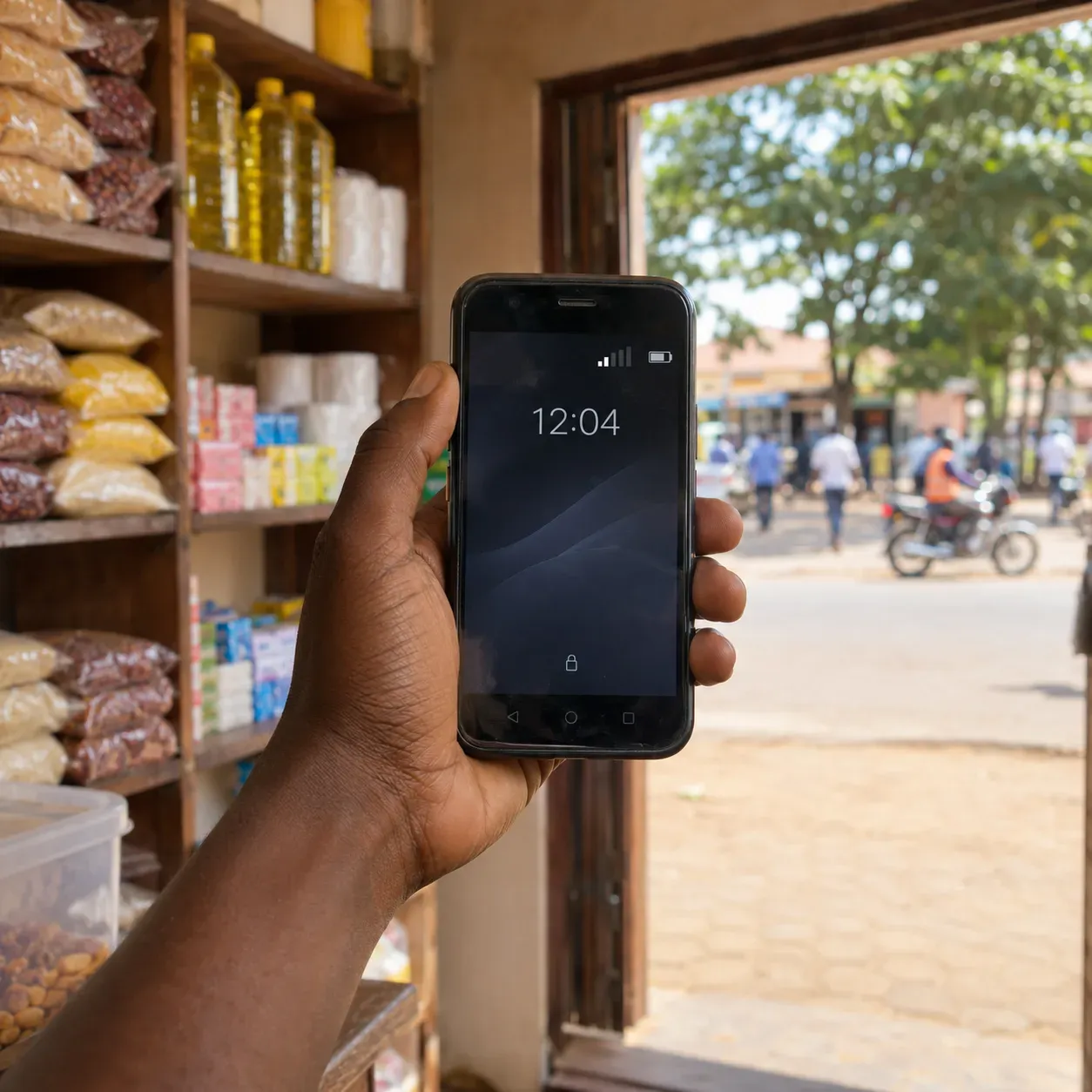

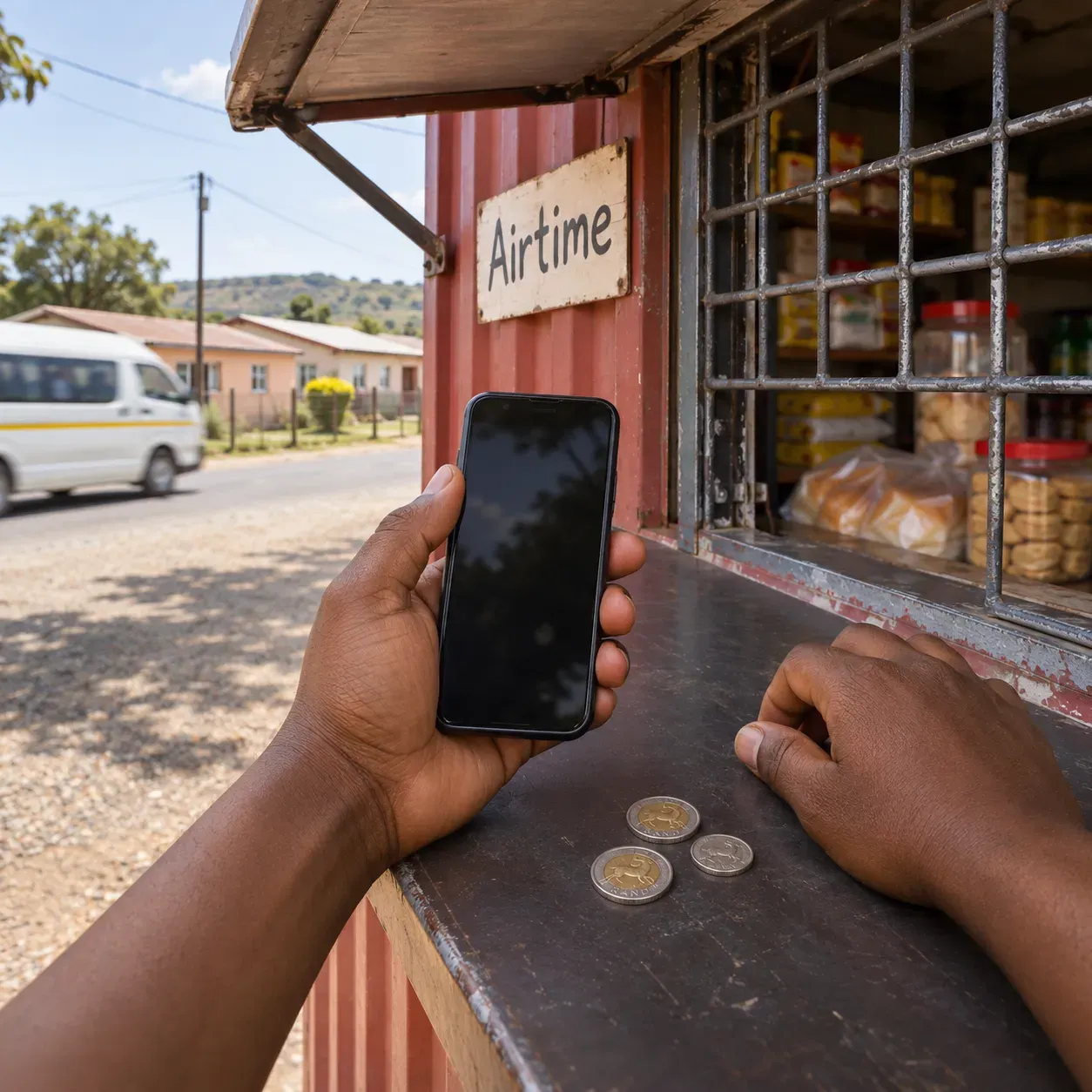
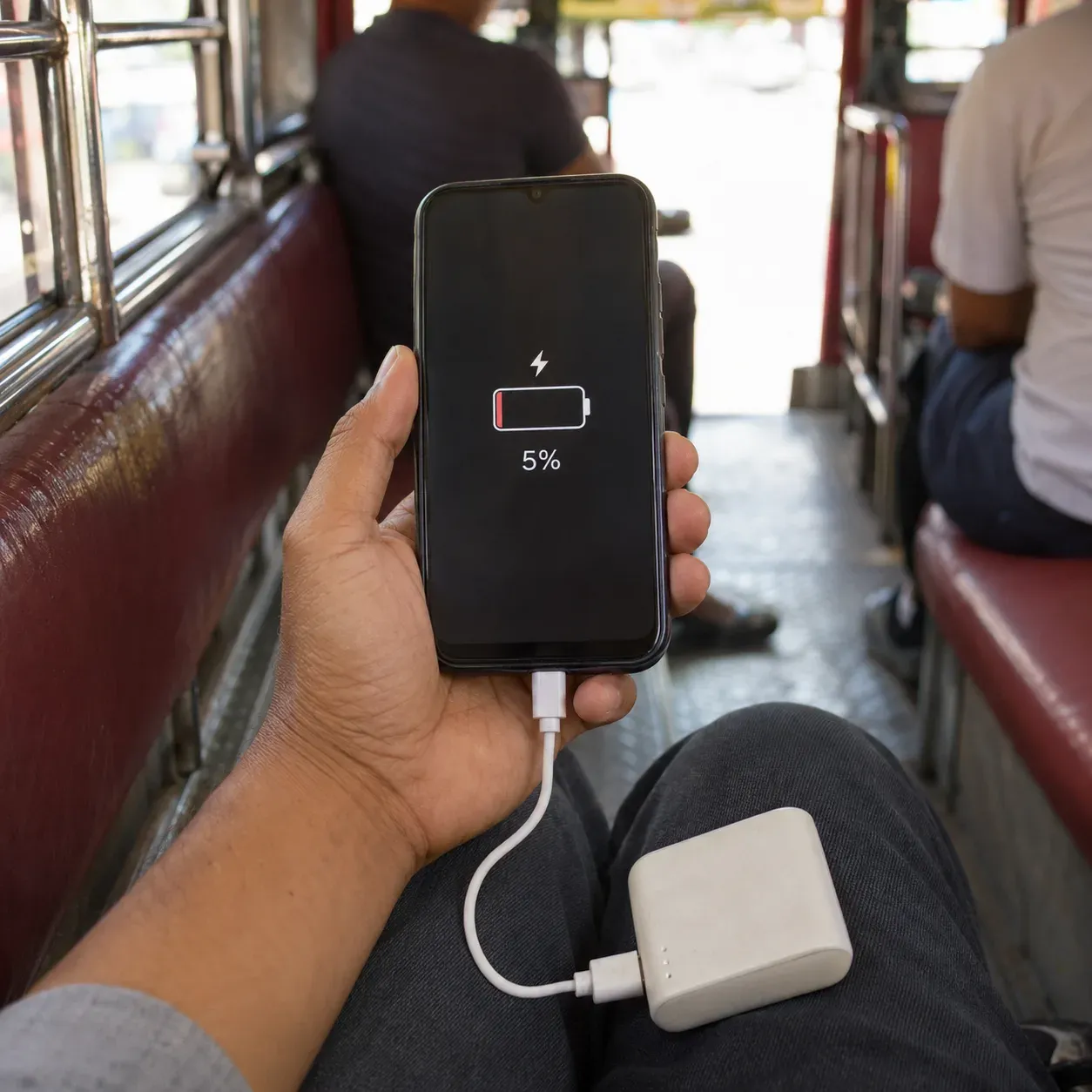
The assumptions that break in emerging markets.
Assumption 1
Getting it wrong is cheap.
Reality
Risk comes before reward.
Money is often scarce in emerging markets, and a mistake could be costly. People ask whether they can afford to get it wrong before they ask whether a product will make life better.
Assumption 2
Small transactions mean low intent.
Reality
A small payment is a trust test.
A tiny first payment isn’t the mark of a low-value user. It’s a test: they’re checking that the money arrives at its destination before they trust you with more. Read more: Why do new fintech users make such small first payments?
Assumption 3
Your user’s conditions are stable.
Reality
One person, three users, one day.
Data is often rationed, batteries worn, phones borrowed and connections unreliable. Read your analytics without that in mind, and someone navigating around those obstacles just looks like a drop-off. Read more: What happens to account recovery when a customer’s phone is compromised?
Assumption 4
Good digital design automates people out.
Reality
The right friction earns trust.
The goal isn’t zero friction. It’s the kind that helps people feel confident enough to move forward: a person to call, or a step that confirms the details.
Assumption 5
Fraud can be undone.
Reality
Stop it before the money moves.
Many people in emerging markets can’t afford to lose money and can’t count on getting it back. Protection has to sit inside the journey, before the payment goes through.
Assumption 6
Your users already know how it works.
Reality
Familiarity has to be built.
Intuitive design runs on conventions people already know. Many people are new to financial products, and many products are new here too. You can’t assume people already understand wallets, interest or even progress bars.
Assumption 7
Everyone reads your design the same way.
Reality
Same design, different signal.
Every design sends signals, and they don’t land the same way in every market. What reads as quality or safety to your team can mean something else to the people it caters for. Understanding how your design comes across where it’s used matters as much as whether it works. Read more: Why don’t better-looking fintech apps always build trust?
Assumption 8
Users move as fast as technology.
Reality
Trust moves slower than technology.
Being able to use something isn’t the same as trusting it. People take up new technology when the signals they rely on are there: what it costs, what will happen, and whether people like them already use it. Read more: Does USSD still matter in African fintech?

Andrew Potter
Co-founder of Hey Guys
Speaking at UXSA Conference 2026
The UX Assumptions That Fail in Emerging Markets
24 and 25 Nov · Randpark Golf Club
About the conference on uxsouthafrica.com (opens in a new tab)

Where we’ve put this to work.
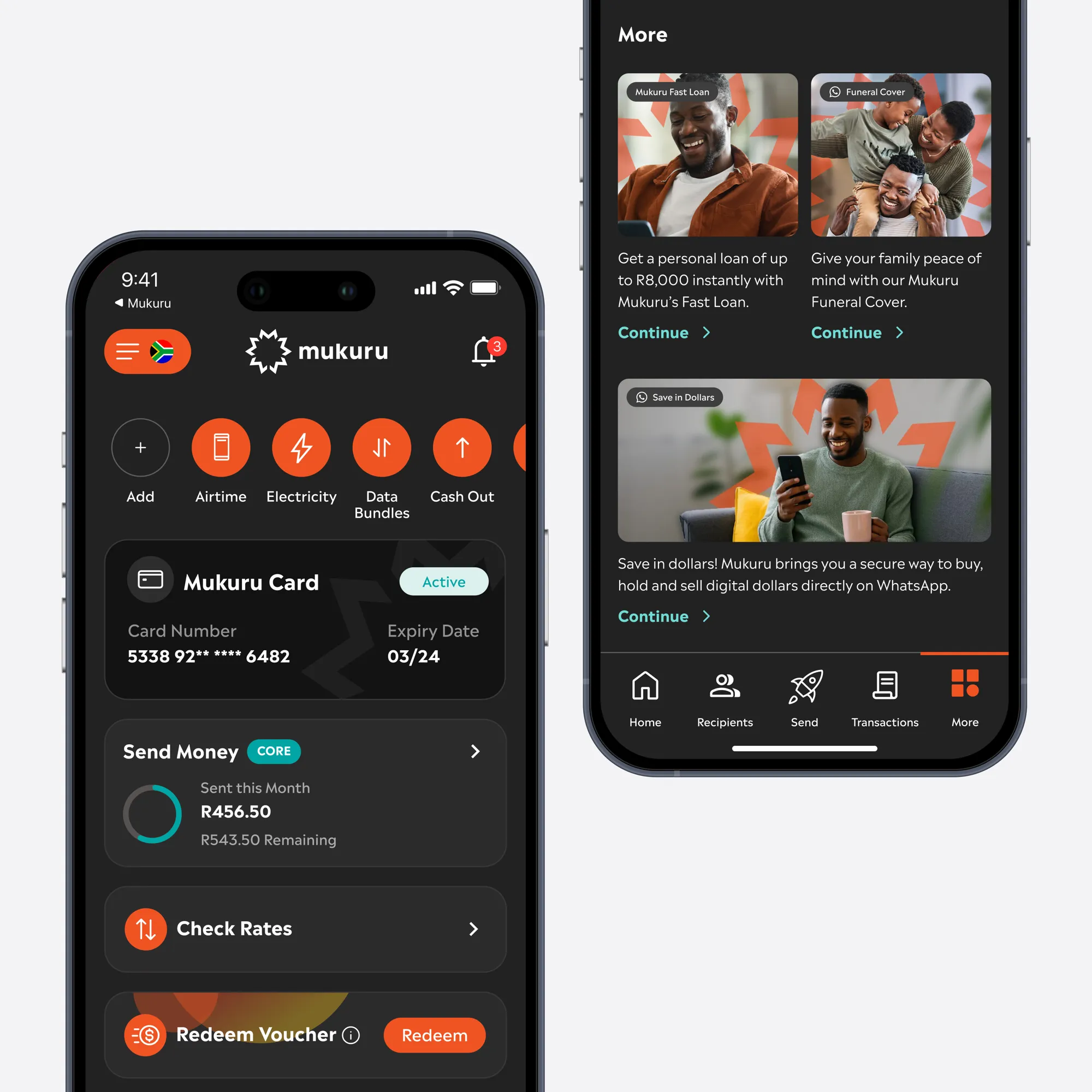
Mukuru
Improving remittance and mobile money journeys in Africa, where trust determines whether users transact or drop off.
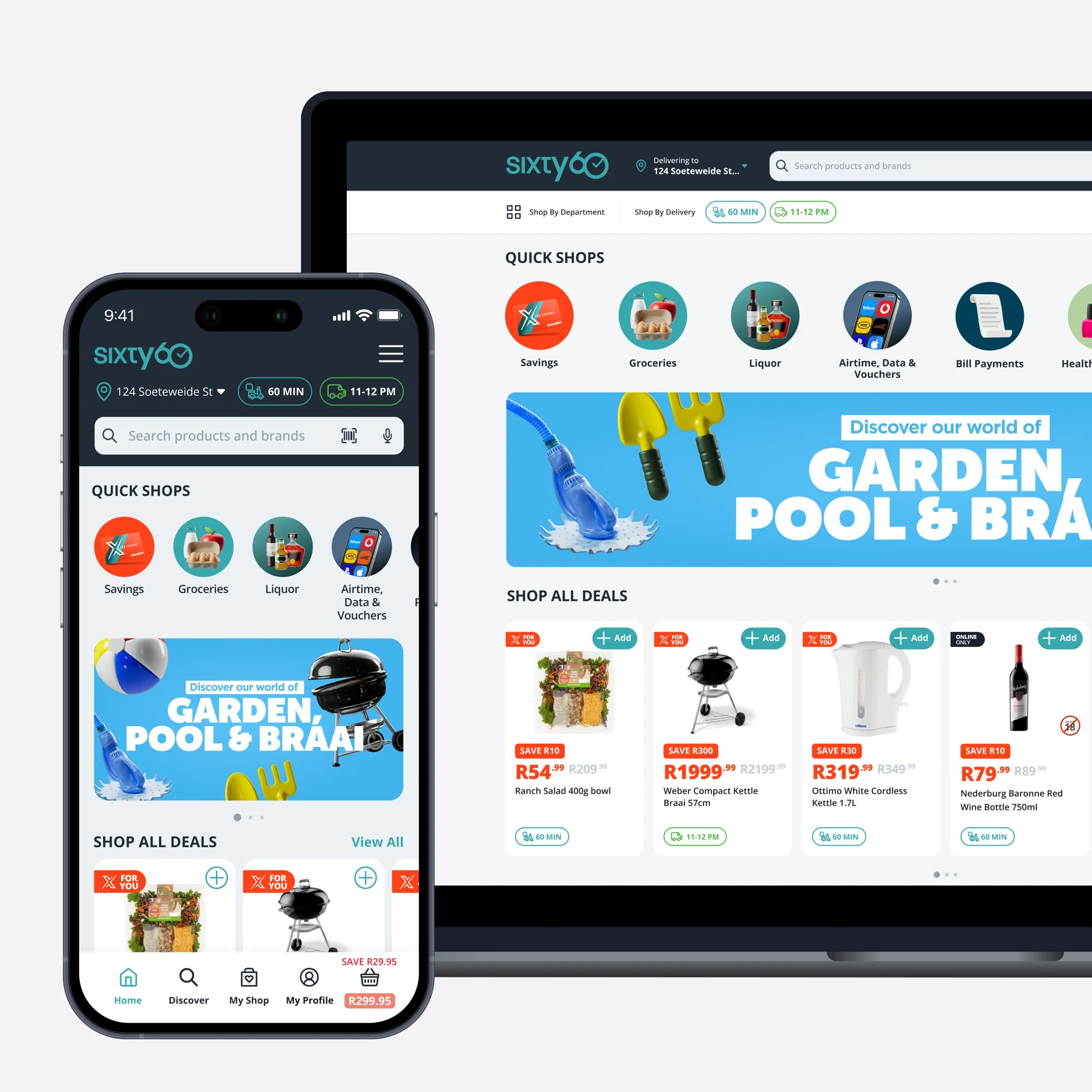
Checkers Sixty60
Improving high-frequency web shopping, delivery and operational journeys where speed and clarity drive completion.
The Cost of Participation.
The four costs people weigh before they say yes, and a worksheet to run one journey of yours through them.
- Spot the assumptions that fail in emerging markets
- See the four costs your users weigh
- Find where a journey loses people
Questions product teams ask.
How is fintech UX design different in emerging markets?
Adoption is decided by trust, not capability, and trust is won or lost in the conditions around the product. A mistake with money costs more, patterns that feel familiar in established markets can’t be assumed, and trust in something new builds slowly. Good design starts from how people actually live, not from the product playbook.
Read: Why don’t better-looking fintech apps always build trust?
How can fintech companies reduce user hesitation and drop-off?
Find the moment people stop, and answer the question they’re asking there. It could be an unclear fee, or simply not knowing what to expect or where to go next. Which question it is depends on your product and your market, so identify that before redesigning anything.
Read: Why do new fintech users make such small first payments?
What is “the right friction” in fintech UX?
Steps that reduce doubt for the user, not just risk for the business. A pause to confirm who the money is going to slows someone down for a moment, and can save them from a payment they can’t get back. Which steps earn that trust depends on your product and your users.
What makes a trustworthy remittance or digital payment experience?
People trust a remittance or payment app when they always know three things: what it will cost, including fees and the exchange rate, where their money is, and what happens if something goes wrong. The cost has to be clear before they commit, not after. A fee that appears late can feel like a trick, even when it’s fair. Which of those three your flow leaves unclear, and where, depends on your product and your market.
How should fintech onboarding and KYC work when phones are shared, lost or replaced?
Design for the phone someone has today, which may not be the one they signed up on. Phones are shared, lost, stolen and replaced, and a shared phone can simply be how a family works. A document photo taken on a cracked camera, on a weak signal, still has to get someone through KYC. What that means for your onboarding and account recovery depends on what your product lets people do, and when.
Read: What happens to account recovery when a customer’s phone is compromised?
Why are USSD, WhatsApp and mobile web still important for fintech products in Africa?
Because people know what they cost and what will happen. USSD works on basic phones without mobile data, which carries a trust that a new app still has to earn. WhatsApp and mobile web meet people where they already are. Many fintech products need to work across multiple channels, and your app is just one of them.
Seeing these assumptions in your product?
It starts with a 30-minute call to see if we’re a good fit for you and your product.