
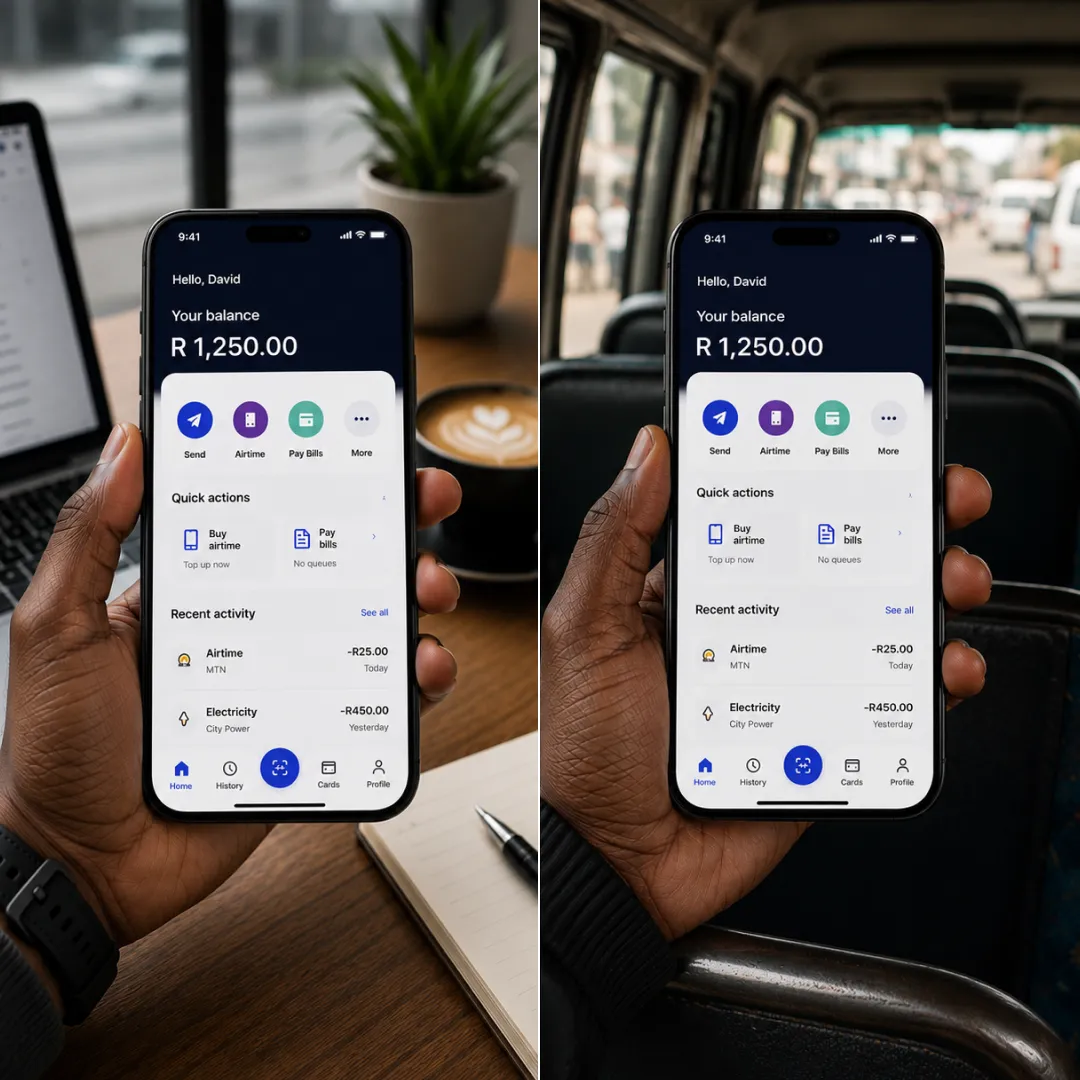
Because people read design as a signal, not only as an interface. A polished look can suggest that a product costs more, or isn’t meant for them, even when nothing about the price has changed. Usable isn’t the same as trusted, so test what your design communicates as well as whether it works.
Do people really judge a financial product by how it looks?
Yes, and early. In a Stanford study of how people judge a website’s credibility (opens in a new tab), 2,684 people assessed live sites and wrote down why they did or didn’t find them credible. The site’s look came up in 46.1% of their comments, more often than anything else, including how the information was organised.
That judgement comes before anyone reads a fee or finishes a transaction. Whatever your design suggests about cost, quality and who the product is for arrives first.
Why can the same design send different signals?
Because what looks good depends on who is looking. Katharina Reinecke and Krzysztof Gajos collected 2.4 million ratings of websites (opens in a new tab) from nearly 40,000 people in 179 countries. How much colour and visual complexity people liked best varied with their country, age, gender and education. A design tuned to one audience’s taste can land differently with another.
What a design means varies too. We come across this in our work: a polished, premium look that reads as quality to the team can read as “this will cost more” or “this isn’t for people like me” to the customers it’s for. The price hasn’t changed. The visual language has changed the perceived offer.
That risk is highest when a product designed in one market reaches people whose experiences, expectations and finances differ. The mistake isn’t investing in better design. It’s assuming everyone reads it the same way.
What should you look at beyond usability?
What the experience means to people, not only whether they can complete it. A usability test tells you whether someone can send money. It doesn’t tell you what they think it will cost, who they think it’s for, or where they start to doubt it.
Your own data can show where the signal is off:
- Do people leave before they’ve seen a fee, in markets where the same flow converts elsewhere?
- Do support questions ask what something costs, when the cost is shown?
- After a redesign, did some customer groups move further through the journey and others fall back?
Your data shows where. Qualitative research with the people the product is for shows why.
A question for your next design review: who decided your product looks trustworthy, and are they the people it’s for? It’s one of the assumptions that break in emerging markets: same design, different signal.
Other questions we hear
Should fintech apps in emerging markets look less polished?
No. The aim isn’t to make interfaces deliberately less polished. It’s to check how a design is read by the people it’s for, and to adjust where it signals the wrong thing, such as a higher cost or a product meant for someone else.
How can you tell whether a design feels expensive?
Look past whether people can use it to what they think it means: what they expect it to cost, who they think it’s for, and where they would hesitate before sending money.
Differences between the customer groups you serve are where the risk sits.
Which parts of a fintech product shape perceived cost and risk?
Anything that forms a first impression: visual style, imagery, tone of voice and how clearly fees are shown. A mismatch between what the interface promises and what the product ends up costing can undo the trust the design has built along the way.
Sources
- Stanford Persuasive Technology Lab and Consumer WebWatch (2002). How Do People Evaluate a Web Site’s Credibility? (opens in a new tab)
- ACM (2014). Quantifying Visual Preferences Around the World (Katharina Reinecke and Krzysztof Gajos, CHI 2014) (opens in a new tab)